

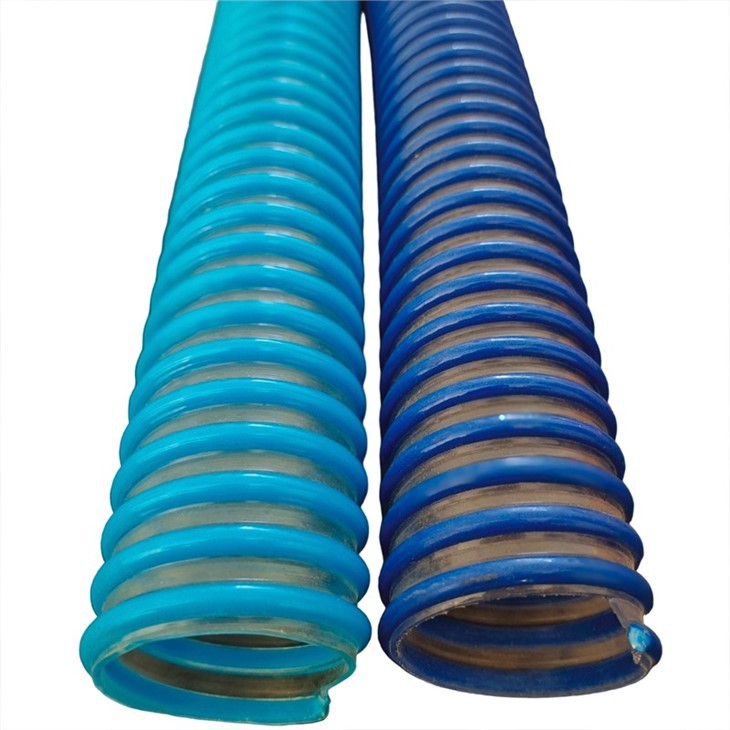
Hey there! As a supplier of PVC Helix Suction Hoses, I know how crucial it is to maintain the sterility of these hoses, especially in a sterile environment. In this blog, I'll share some tips and tricks on how to ensure the sterility of PVC Helix Suction Hoses, so let's dive right in!
Understanding the Importance of Sterility
First off, let's talk about why sterility matters. In industries like food and beverage, pharmaceuticals, and healthcare, the presence of contaminants in the suction hoses can lead to product spoilage, infections, and even regulatory issues. A sterile PVC Helix Suction Hose ensures that the substances being transferred remain pure and uncontaminated, which is essential for the safety and quality of the end products.
Choosing the Right Type of PVC Helix Suction Hose
The type of hose you choose plays a significant role in maintaining sterility. For instance, the PVC Low Temperature Helix Suction Hose is designed to work well in cold environments without losing its flexibility. This is great for industries that deal with chilled or frozen products. On the other hand, the PVC Helix Spiral Braid Reinforced Suction Hose offers extra strength and durability, which is useful when dealing with high-pressure applications. And if you're in the food industry, the PVC Food Grade Helix Suction Hose is the way to go as it meets strict food safety standards.
Proper Cleaning and Sanitization
Cleaning and sanitizing the PVC Helix Suction Hose regularly is a must. Here's a step-by-step guide on how to do it effectively:

Step 1: Pre - rinse
Start by flushing the hose with warm water to remove any large particles or debris. This helps to prevent clogging during the cleaning process.
Step 2: Use a Suitable Cleaning Agent
Choose a cleaning agent that is compatible with PVC. Avoid using harsh chemicals that can damage the hose material. A mild detergent or a specialized PVC cleaner usually does the trick. Mix the cleaning agent with water according to the manufacturer's instructions.
Step 3: Circulate the Cleaning Solution
Fill a container with the cleaning solution and use a pump to circulate it through the hose. Make sure the solution reaches every part of the hose. Let it sit for a few minutes to allow the cleaning agent to break down any stubborn dirt or contaminants.
Step 4: Rinse Thoroughly
After the cleaning solution has done its job, rinse the hose with clean water multiple times. Make sure all the cleaning agent is removed, as any residue can contaminate the substances being transferred later.
Step 5: Sanitization
Once the hose is clean, sanitize it using a suitable sanitizer. Common sanitizers include chlorine - based solutions or alcohol - based wipes. Follow the recommended contact time for the sanitizer to ensure effective disinfection.
Storage Conditions
Proper storage is also important for maintaining the sterility of the PVC Helix Suction Hose.
Keep it Dry
Store the hose in a dry place to prevent the growth of mold and bacteria. Moisture can create a breeding ground for microorganisms, so make sure the storage area is well - ventilated.
Protect from Physical Damage
Avoid storing the hose in a place where it can be crushed or punctured. Physical damage can compromise the integrity of the hose and make it more difficult to keep it sterile.
Cover the Ends
When the hose is not in use, cover the ends with caps or plugs. This prevents dust, dirt, and other contaminants from entering the hose.
Handling and Installation
How you handle and install the PVC Helix Suction Hose can also impact its sterility.
Wear Gloves
When handling the hose, wear clean gloves to prevent the transfer of skin oils, dirt, and bacteria. This is especially important when dealing with hoses used in sensitive industries.
Use Clean Tools
During installation, use clean tools to avoid introducing contaminants. Make sure any cutting tools or connectors are properly cleaned and sanitized before use.
Avoid Cross - Contamination
If you are using multiple hoses, avoid cross - contamination between them. Keep different hoses separated and use them for their intended purposes only.
Regular Inspections
Regular inspections help to identify any signs of wear, damage, or contamination early on.
Visual Inspection
Periodically inspect the hose for any visible signs of cracks, holes, or discoloration. These can be indicators of damage or the presence of contaminants.
Performance Testing
Conduct performance tests to ensure that the hose is functioning properly. For example, check for leaks or blockages, as these can affect the sterility of the substances being transferred.
Training and Education
Make sure your employees are well - trained on how to handle, clean, and maintain the PVC Helix Suction Hoses. Provide them with proper training on the importance of sterility and the correct procedures for handling the hoses. This helps to ensure that everyone in the organization is on the same page when it comes to maintaining a sterile environment.
Conclusion
Ensuring the sterility of PVC Helix Suction Hoses in a sterile environment requires a combination of proper selection, cleaning, storage, handling, and inspection. By following these tips, you can minimize the risk of contamination and ensure the safety and quality of the substances being transferred through the hoses.
If you're interested in purchasing high - quality PVC Helix Suction Hoses or have any questions about maintaining their sterility, feel free to reach out to us. We're here to help you make the right choice for your business needs.
References
- "Best Practices for Hose Maintenance in Sterile Environments" - Industry Standards Publication
- "PVC Hose Materials and Their Compatibility with Cleaning Agents" - PVC Manufacturer's Guide


