

Hey there! As a supplier of Hose Extrusion Lines, I often get asked about the maintenance intervals for these machines. It's a crucial topic because proper maintenance not only ensures the smooth operation of the equipment but also extends its lifespan and guarantees high - quality production. So, let's dive right in and discuss what the maintenance intervals for a hose extrusion line should be.
Daily Maintenance
First off, daily maintenance is the bread and butter of keeping your hose extrusion line in top - notch condition. Every morning before starting the machine, you should do a quick visual inspection. Check for any loose parts, like bolts or nuts. A loose bolt might seem like a small issue, but it can lead to bigger problems down the road, such as misalignment of components.
Lubrication is also a key part of daily maintenance. Make sure all the moving parts, like the gears and bearings, are properly lubricated. Lack of lubrication can cause excessive friction, which in turn generates heat and can damage the parts over time. You should also clean the hopper, where the raw materials are fed into the machine. Remove any debris or leftover plastic to prevent contamination of the new batches.
Check the temperature and pressure gauges regularly throughout the day. These readings can give you an early indication of any potential problems. If the temperature is too high or the pressure is off, it could mean there's an issue with the heating elements or the extrusion process itself.
Weekly Maintenance
On a weekly basis, you need to dig a little deeper into the machine's maintenance. One important task is to clean the filters. Filters are used to remove impurities from the plastic melt, and over time, they can get clogged. A clogged filter can restrict the flow of the plastic, affecting the quality of the extruded hose. You can use a specialized cleaning solution to clean the filters, and make sure to follow the manufacturer's instructions.
Inspect the screws and barrels of the extruder. These are the heart of the extrusion process, and any wear and tear on them can have a significant impact on the quality of the hoses. Look for signs of corrosion, scratches, or uneven wear. If you notice any issues, it might be time to replace the parts.
Another weekly task is to check the electrical connections. Loose or damaged electrical connections can cause power outages or even pose a safety hazard. Make sure all the wires are properly connected and there are no signs of fraying or overheating.
Monthly Maintenance
Once a month, it's time for a more comprehensive maintenance check. You should calibrate the sensors on the machine. Sensors are used to measure various parameters like temperature, pressure, and speed. If they are not calibrated correctly, the machine might not operate as efficiently as it should.

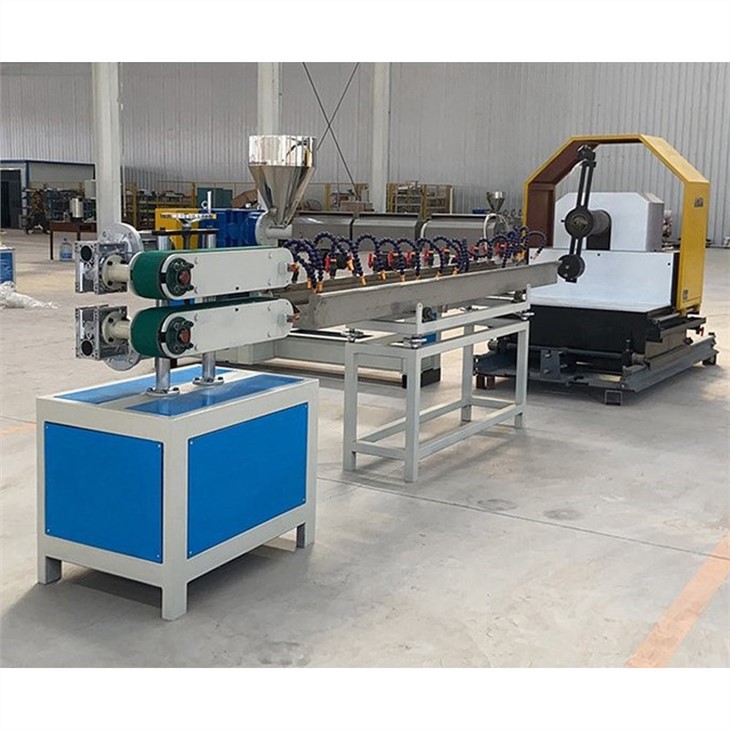
Inspect the cooling system. The cooling system is responsible for keeping the extruded hose at the right temperature. Check the coolant levels and make sure there are no leaks in the pipes or radiators. A malfunctioning cooling system can lead to overheating of the hose, which can cause it to deform or develop other defects.
Clean the entire machine thoroughly. This includes wiping down the exterior, removing any dust or dirt from the control panel, and cleaning the conveyor belts. A clean machine not only looks better but also operates more efficiently.
Quarterly Maintenance
Quarterly maintenance involves some major tasks. You should perform a full - scale alignment check of all the components of the hose extrusion line. Misaligned components can cause uneven stress on the parts, leading to premature wear and tear. Use precision tools to ensure that everything is in the right position.
Inspect the hydraulic system, if your machine has one. Check the hydraulic fluid levels and look for any signs of leaks. Hydraulic systems are used to power many of the moving parts in the machine, and a problem with the hydraulic system can bring the entire production to a halt.
Review and update the machine's software, if applicable. Software updates can improve the performance of the machine, add new features, and fix any bugs that might have been discovered.
Annual Maintenance
Finally, on an annual basis, you need to carry out a complete overhaul of the hose extrusion line. This includes replacing any worn - out parts, such as belts, chains, and seals. You should also have a professional technician perform a detailed inspection of the entire machine. They can identify any hidden problems that might not be obvious during the regular maintenance checks.
Now, let's talk about the different types of hose extrusion lines we offer. If you're interested in producing PVC hoses, our PVC Hose Pipe Machine is a great choice. It's designed to produce high - quality PVC hoses with excellent durability and flexibility.
For those who need to produce PVC fiber - reinforced pipes, our PVC Fiber Reinforced Pipe Production Machine is the way to go. This machine can produce pipes with strong reinforcement, making them suitable for a variety of applications.
And if you're looking for a machine to produce PVC steel - wire reinforced hoses, our PVC Steel Wire Reinforced Hose Extrusion Line is top - notch. It can produce hoses with a high level of strength and pressure resistance.
Proper maintenance of your hose extrusion line is essential for its long - term performance and the quality of the products it produces. By following these maintenance intervals and using high - quality machines like the ones we offer, you can ensure a smooth and efficient production process.
If you're in the market for a hose extrusion line or have any questions about maintenance, don't hesitate to get in touch. We're here to help you make the right choice and keep your production running smoothly.
References
- Industry standard manuals for hose extrusion line maintenance
- Manufacturer's guidelines for specific machine models


