

What is the weight of a PVC layflat hose per meter?
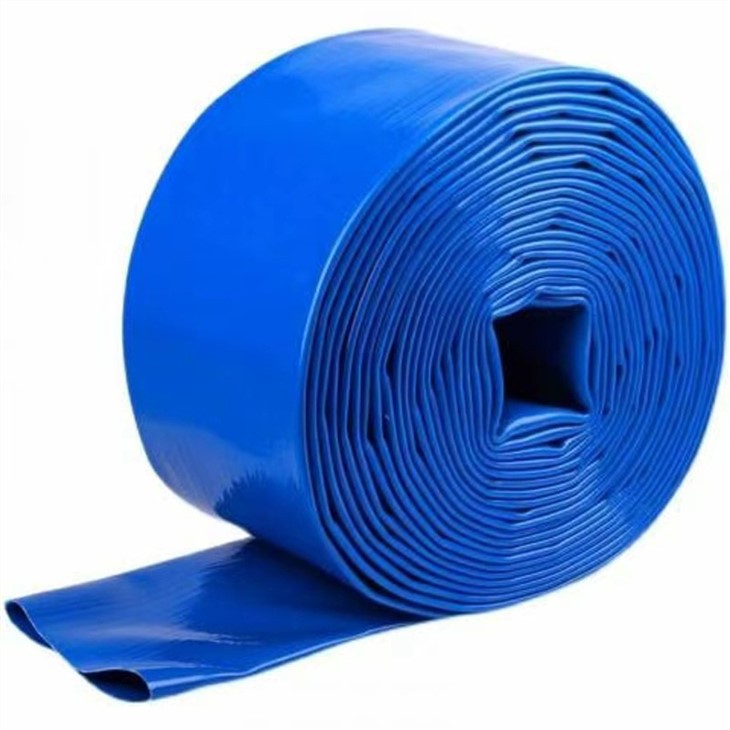
As a seasoned supplier of PVC layflat hoses, I often encounter inquiries about the weight of these hoses per meter. Understanding the weight of a PVC layflat hose per meter is crucial for various reasons, including transportation, installation, and overall cost - effectiveness. In this blog post, I will delve into the factors that influence the weight of a PVC layflat hose, how to calculate it, and why it matters in different applications.
Factors Affecting the Weight of PVC Layflat Hoses
The weight of a PVC layflat hose per meter is not a fixed value and is influenced by several key factors:
- Hose Diameter: One of the most significant factors is the diameter of the hose. Larger - diameter hoses generally weigh more per meter than smaller - diameter ones. This is because a larger diameter requires more material to construct the hose. For example, a 6 - inch diameter PVC layflat hose will typically weigh more than a 2 - inch diameter hose. The increased surface area and volume of the larger hose mean more PVC material is used in its production.
- Wall Thickness: The thickness of the hose wall also plays a vital role. Hoses with thicker walls are heavier per meter. Thicker walls are often used in applications where the hose needs to withstand higher pressures or more abrasive materials. A hose designed for high - pressure applications, such as a PVC Layflat Hose (8 - 10bar), will usually have a thicker wall compared to a standard - pressure hose, resulting in a higher weight per meter.
- Reinforcement Layers: Many PVC layflat hoses are reinforced with materials like polyester or nylon to enhance their strength and durability. The number and type of reinforcement layers can significantly affect the weight. Hoses with multiple reinforcement layers will be heavier than those with a single layer. For instance, a hose with two or three layers of polyester reinforcement will have a greater weight per meter than a non - reinforced or single - reinforced hose.
- Additives and Compounds: The PVC material used in the hose may contain various additives and compounds. These can include plasticizers, UV stabilizers, and flame retardants. The presence and amount of these additives can change the density of the PVC, thereby affecting the weight of the hose per meter. For example, a hose with a high - level of flame - retardant additives may be slightly heavier due to the additional chemicals.
Calculating the Weight of a PVC Layflat Hose per Meter
Calculating the exact weight of a PVC layflat hose per meter can be a complex process, but a general approach can be used. First, you need to know the cross - sectional area of the hose. The cross - sectional area of the PVC part of the hose can be calculated by subtracting the inner cross - sectional area from the outer cross - sectional area.

Let's assume the outer diameter of the hose is (D) and the inner diameter is (d). The cross - sectional area of the PVC (A=\pi\times((D/2)^2-(d/2)^2))
The weight per meter (W) can then be estimated by multiplying the cross - sectional area (A) by the length (1 meter), the density (\rho) of the PVC material. However, this is a simplified calculation as it does not fully account for the weight of the reinforcement layers and additives.
In practice, manufacturers often conduct extensive testing to determine the exact weight of their hoses per meter. They use precision scales to measure the weight of a known length of the hose and then calculate the weight per meter.
Importance of Knowing the Weight per Meter
- Transportation: When it comes to transporting PVC layflat hoses, knowing the weight per meter is essential. Shipping costs are often calculated based on weight. A heavier hose will incur higher transportation costs. By understanding the weight, customers can make more informed decisions about shipping methods and optimize their logistics. For example, if a customer needs to transport a large quantity of hoses over a long distance, choosing a lighter - weight hose may result in significant cost savings.
- Installation: During installation, the weight of the hose can affect the ease of handling. A lighter - weight hose is generally easier to move, position, and connect. This can reduce the labor required for installation and minimize the risk of injuries to workers. In contrast, a very heavy hose may require specialized equipment for installation.
- Cost - effectiveness: The weight of the hose is also related to its cost. Heavier hoses may be more expensive due to the increased amount of material used. However, in some cases, a heavier hose may offer better performance and durability, which could justify the higher cost. By comparing the weight and cost of different hoses, customers can choose the most cost - effective option for their specific needs.
Different Types of PVC Layflat Hoses and Their Weights
There are several types of PVC layflat hoses available in the market, each with different characteristics and weights:
- Standard PVC Layflat Hoses: These are the most common type of PVC layflat hoses. They are used for a wide range of applications, such as water transfer, irrigation, and general - purpose fluid handling. The weight per meter of standard PVC layflat hoses can vary depending on the diameter and wall thickness. Generally, a standard 2 - inch diameter PVC layflat hose with a relatively thin wall may weigh around 0.5 - 1 kg per meter, while a 4 - inch diameter hose may weigh 1.5 - 3 kg per meter.
- Flat Discharge Hose: Flat discharge hoses are designed for applications where a large volume of fluid needs to be discharged quickly. These hoses often have a wider and flatter shape compared to standard hoses. The weight per meter of flat discharge hoses can be higher than standard hoses, especially if they have thicker walls or multiple reinforcement layers.
- TPU Layflat Hose: TPU (Thermoplastic Polyurethane) layflat hoses are a specialized type of hose that offers excellent flexibility, abrasion resistance, and chemical resistance. TPU hoses can be lighter in weight compared to traditional PVC hoses, especially when used in similar applications. The weight per meter of TPU layflat hoses depends on the specific design and construction, but they generally offer a good balance between performance and weight.
Conclusion
In conclusion, the weight of a PVC layflat hose per meter is influenced by multiple factors, including diameter, wall thickness, reinforcement layers, and additives. Understanding the weight is crucial for transportation, installation, and cost - effectiveness. As a PVC layflat hose supplier, I am committed to providing high - quality hoses with accurate weight specifications.
If you are in the market for PVC layflat hoses and want to know more about their weights, performance, or pricing, I encourage you to reach out to me. I am here to assist you in selecting the most suitable hose for your application. Contact me for more information and to start a procurement discussion.
References
- Industry standards and guidelines for PVC layflat hoses
- Manufacturer's product specifications and technical data sheets


